Vision Numbers Explained: What Different Eye Chart Scores
Mar 31, 2026
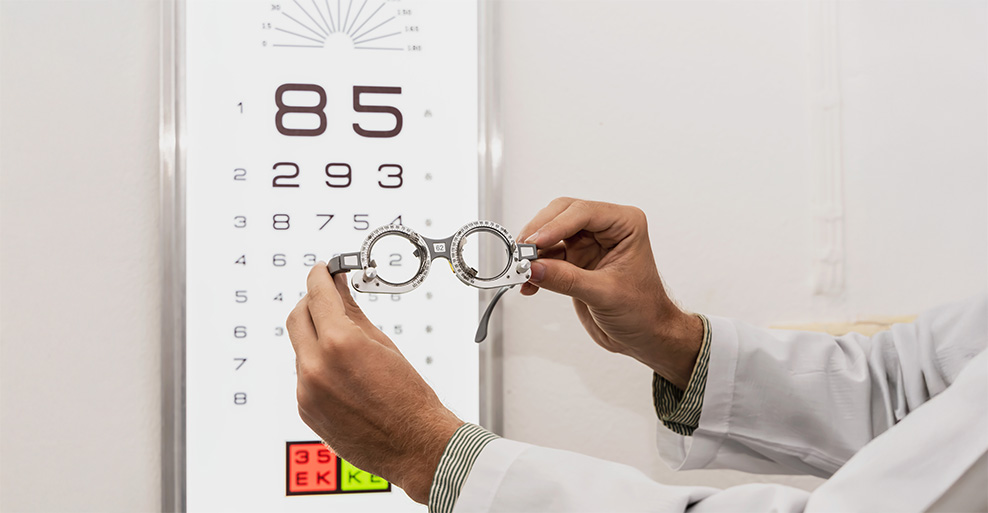
Vision numbers, such as 20/40 or 20/100, are essentially eye chart scores that compare how clearly a person sees at 20 feet to what someone with standard vision sees at the same distance. These scores come from the Snellen eye chart, a tool commonly used by optometrists and ophthalmologists during eye exams. While these numbers frequently appear on test results, many people don’t truly understand what they indicate about their everyday vision.
It’s important to note that scores like 20/40 or 20/100 reflect visual acuity—not overall eye health. Visual acuity measures the sharpness of one’s vision, as the Snellen chart uses letters that shrink in set increments to assess this. In practice, a higher bottom number means less ability to see fine details at a distance; groups like the American Academy of Ophthalmology rely on this system because it provides a clear, repeatable method to track changes in vision over time.
This guide breaks down how these eye chart numbers work and what different scores mean in real-life scenarios. It covers what 20/40 vision means for daily activities like driving, work, and school, answers common questions such as “is 20/40 vision bad,” and compares various results—including the meanings of 20/80 vision and 20/15 vision. Additionally, it explains when these numbers suggest a need for glasses and how corrective lenses can improve vision scores.
How Eye Chart Vision Numbers Work?
Eye chart numbers compare what a person can see at a fixed distance to what most people can see. The system uses a standard chart, set distances, and clear rules to measure visual acuity, not eye health.
What 20/20 Vision Represents?
20/20 vision describes standard visual acuity under normal testing conditions.
Here’s what that means in simple terms:
20/20 means you see at 20 feet what most people see at 20 feet.
Eye exams in the U.S. use a 20-foot testing distance. This keeps results consistent.
It’s a comparison to an average, not “perfect” vision.
The chart lines use letters sized to test fine detail. If you can read the 20/20 line, your eyes can pick up that level of detail.
In real life, this usually means you see road signs or distant objects clearly for normal activities.
How to Read Vision Scores Like 20/40 or 20/100?
Vision scores use two numbers to show how your sight compares to the standard.
The top number is always 20, which is the testing distance in feet.
The bottom number shows how far away a person with standard vision could read the same line.
For example, 20/40 means you see at 20 feet what others see at 40. That’s less sharp distance vision.
20/100 shows a bigger loss of detail. You need to be much closer to see what’s clear to most people at 100 feet.
Glasses or contacts can improve these scores by sharpening focus on the retina.
Why Vision Numbers Vary Between People?
Vision numbers change because eyes differ in structure and condition.
The shape of your eye affects focus. If it’s too long or short, light lands in the wrong spot and things get blurry.
The lens needs to adjust to focus light. If it can’t move enough, sharpness drops.
Eye health issues like cataracts or macular problems can block or distort light, lowering acuity.
Testing conditions matter too. Lighting, chart contrast, even how tired you are can shift results a bit.
Small changes in these numbers can make a difference for reading signs, night driving, or using screens.
What Different Vision Scores Mean in Real Life?
Vision scores compare how clearly you see at 20 feet to a standard level. These numbers affect driving, daily tasks, and whether you’ll need glasses or contacts.
What Does 20/40 Vision Mean?
20/40 vision shows mild loss of distance clarity. Details look less sharp at 20 feet than they would for someone with standard vision.
You see at 20 feet what a person with standard vision sees at 40 feet.
Most people can read, cook, and use screens just fine. Distant details, though, look a bit soft or fuzzy.
Many states let you drive with 20/40, but some require glasses or contacts. Road signs might show up a little later than you’d like.
Glasses or contacts often bring 20/40 up to 20/20, since the blur usually comes from a focusing issue.
This score doesn’t diagnose disease. An eye exam checks for any medical causes.
Quick summary for 20/40 vision:
Distance clarity: Mild blur
Common impact: Possible driving limits
Understanding 20/80 and 20/100 Vision
20/80 vision and 20/100 vision reflect clear limits in distance vision. This can affect safety and independence.
At 20 feet, you see what others see at 80 or 100 feet.
Street signs, faces, and boards look unclear. The eye just isn’t focusing sharply on the retina.
Most places won’t let you drive at these levels without correction. You’ll need glasses, contacts, or maybe a ride.
If it’s just a focusing issue, stronger lenses usually help. Sometimes, though, it’s a medical problem that needs care.
You might end up sitting closer to screens or using bigger text to compensate.
What 20/15 Vision Means?
20/15 vision meaning is sharper-than-average distance vision. It’s not rare or dangerous, just a bit better than standard.
You see at 20 feet what most people see at 15.
Fine lines and small letters pop out more clearly. The eye is focusing light with impressive accuracy.
Reading signs from farther away gets easier. Distance tasks don’t take as much effort.
This score doesn’t guarantee healthier eyes. You still need regular exams.
It’s less common than 20/20, but still normal.
When Vision Numbers Indicate a Need for Glasses?
Vision numbers show how clearly you see at set distances. Certain scores can make daily life harder, trigger legal rules, or just remind you that eyes change with age.
Vision Scores and Daily Activities
Vision numbers hint it’s time for glasses when you can’t see clearly during everyday stuff.
If your distance vision is worse than 20/40, driving and reading street signs get tricky. Glasses sharpen things up and help you react faster.
Lower near-vision scores make reading, phone use, and computer work a hassle. Expect more eye strain and slower reading if you skip correction.
If blurry vision happens every day, it’s not just fatigue—it’s a real issue. Glasses close the gap between what you see and what’s considered clear.
Legal and Safety Considerations
Vision numbers sometimes trigger legal requirements for corrective lenses, especially for driving.
Many states require 20/40 vision in at least one eye to drive without limits. If you’re below that, your license will probably say “corrective lenses required.”
Reduced vision means longer stopping distances and slower hazard detection. That’s a higher crash risk if you skip the glasses.
Wearing the right glasses keeps you legal and safer, especially at night or in bad weather.
Vision Changes Over Time
Vision numbers can shift as you age, and worsening scores often mean it’s time for glasses.
Vision usually declines slowly thanks to aging, changes in eye shape, or health issues. The numbers reveal what you might not notice day-to-day.
Lots of screen time can make it harder to focus up close or at a distance. This will show up as lower chart scores in your next exam.
Regular eye exams track these changes. Updated glasses keep you seeing clearly and prevent ongoing blur.
How Glasses Help Improve Vision Scores?
Glasses improve vision scores by changing how light hits your retina. This lets eye chart letters look sharper, bumping up your visual acuity during testing.
Correcting Blurry Vision with Prescription Lenses
Prescription glasses fix blurry vision by bending light so it lands right on your retina, not in front or behind it. This has a direct effect on your eye chart results.
Lenses use measured optical power (diopters) to steer light. For you, that means images finally land where they should.
Nearsightedness focuses light in front of the retina, farsightedness behind it. Lenses shift that focus to the right spot.
Clearer letter edges mean better visual acuity scores—maybe moving from 20/40 to 20/20.
Distance lenses help with far vision, reading lenses for near tasks.
Clear focus means less guessing on the chart. Accurate focus leads to more consistent test results, too.
Why the Right Prescription Matters?
The right prescription really matters because even small errors can mess with how your eyes work together. A 0.25 diopter mistake can make things uncomfortable or blurry.
Eye exams measure refraction in 0.25 diopter steps. This level of precision helps prevent blur or double vision.
Pupillary distance (PD), measured in millimeters, centers lenses over each pupil. If it’s off, images get distorted.
Wrong power makes your eyes overwork to focus. That can mean headaches or eye strain.
Accurate lenses keep your vision steady across different lighting and distances.
Getting the measurements right supports balanced vision. Balanced vision keeps your chart scores where they should be.
Maintaining Clear Vision Long-Term
Long-term clarity depends on regular updates and wearing your glasses daily. Vision changes with age, screen time, or health, so it’s worth keeping up.
Eye doctors usually recommend exams every 1–2 years. Updated lenses match your current vision needs.
Wearing your glasses regularly helps your visual system adapt, so you perform better on vision tests.
Right lenses cut down on strain that can make symptoms worse over time.
Clear vision supports reading, driving, work, and just about everything else.
Sticking with correction helps keep your vision scores stable. Stable scores mean you can count on clear sight day after day.
Conclusion
Vision numbers show how clearly someone sees compared to average eyesight, and they’re based on standard eye chart testing at a fixed distance. Scores like 20/20, 20/40, or 20/100 specifically compare what you see at 20 feet to what a person with standard vision sees at the same chart line. Put simply, a lower bottom number means sharper vision—your eyes can pick out smaller letters at the test distance—while a higher bottom number signals reduced clarity, as your eyes need bigger letters to make out details.
These numbers are more than just test results; they matter greatly in daily life and play a key role in eye care. Eye care providers use them to determine if you need glasses or contacts, as well as how strong the correction should be. In everyday scenarios, they affect how you read signs, drive, or even use your phone, and clear scores help explain why some tasks feel tougher without corrective lenses—eye chart numbers tell a story, and your glasses bring that story into focus.
At GlassesShop, they turn vision scores into custom prescription lenses, helping you get clear, comfortable sight for everyday life. They pair accurate corrections with frames that match your style, ranging from minimalist metals to bold acetates, and offer useful tools to simplify your choice: the Face Shape Detector matches frames to your features, and you can take advantage of their Buy One Get One Free offer plus free shipping on orders over $69. After all, understanding your vision should lead to eyewear that you actually enjoy wearing.
FAQs
What do the numbers on an eye chart signify?
They show visual acuity by comparing the test distance to the distance a standard viewer can read the same line.
- Test Distance: The top number is how far you stand from the chart, usually 20 feet. This standardizes the test.
- Comparison Distance: The bottom number shows how far a person with standard vision can read that same line. If the bottom number is bigger, your distance vision is weaker.
- Measurement Basis: Clinicians use a letter chart with lines that shrink in size. The letter sizes are set, so the score’s objective.
How should one interpret a 20/40 vision score?
20/40 vision means you see at 20 feet what a standard viewer sees at 40 feet.
- Clarity Level: The letters look less sharp at a distance. Road signs, for example, might be harder to read.
- Functional Impact: Many states let you drive at 20/40 vision with or without correction. It meets basic legal vision needs.
- Correction Need: Glasses or contacts often bump this score up. Correction can bring back sharper distance vision.
Is a vision score of 20/80 indicative of poor eyesight?
20/80 vision shows reduced distance vision compared to the standard.
- Distance Loss: You see at 20 feet what a standard viewer sees at 80 feet. Fine details blur at distance.
- Daily Effects: Reading signs or recognizing faces from far away gets harder. This can impact driving and outdoor tasks.
- Clinical Response: Eye care providers might recommend correction or more testing. They want to check for refractive error or eye disease.
What are the implications of having a 40/40 vision assessment?
A 40/40 score means your visual acuity is standard if you’re using a 40-foot chart. It’s basically the same as having 20/20 vision, just measured from farther away. The ratio works out the same, so it still reflects normal eyesight. Some clinics set up their tests differently, using various room sizes and charts. Since the ratio stays equal, you can compare results across these setups. If you’ve got 40/40, you see detail at the level most people expect for daily life. That usually means you don’t need glasses for clear distance vision.