What’s the Difference Between Polarized and Non-Polarized Glasses?
May 19, 2026
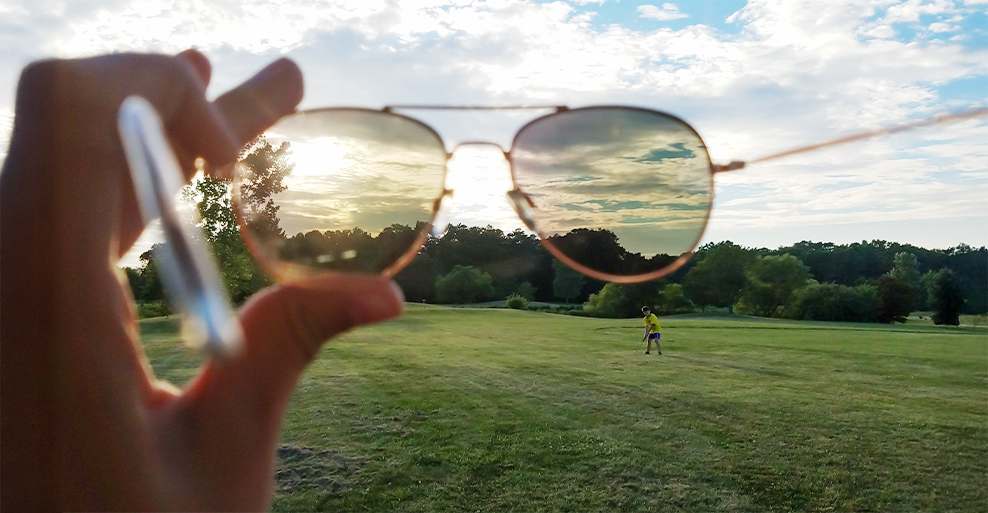
Polarized glasses block glare from reflective surfaces like water, snow, and roads. Non-polarized glasses only reduce overall brightness. That one difference really changes how clearly you see when you drive, hang out outdoors, or deal with harsh sunlight. Eye care experts and optical labs agree on how polarized lenses work. They use a built-in filter that cuts horizontal glare, which strains your eyes and hides detail.
In daily life, this means steadier vision and less squinting when light bounces off flat surfaces. You’ll learn how polarized glasses work, what nonpolarized glasses do, and why screens can look different with each type. You’ll also see how these lenses affect comfort, safety, and clarity, so you can pick the right option for your routine.
What Polarized Glasses Are and How They Work?
Polarized glasses manage reflected light in a specific way. They target glare from flat surfaces instead of just dimming all light. This changes how clearly you see in bright, reflective settings.
What Are Polarized Glasses?
Polarized glasses use a built-in filter to block horizontally reflected light. The filter sits inside the lens and lines up in a vertical pattern. Since glare usually travels horizontally, the filter stops it before it reaches your eyes.
Here’s what goes into polarized glasses:
A chemical layer inside the lens blocks horizontal light waves, which means less harsh light from roads, water, and snow.
The lens targets reflected glare but lets useful light through, so it doesn’t just darken everything.
You see sharper edges and steadier contrast in bright light, which helps your eyes focus longer.
Most polarized lenses still include UV protection. UV blocking protects your eyes from sun damage, while polarization manages glare.
How Polarization Reduces Glare?
Glare happens when light reflects off smooth, flat surfaces. Water, glass, ice, and pavement are common sources. This reflected light travels in a horizontal direction.
Here’s the breakdown:
Flat surfaces reflect light in a uniform, horizontal pattern.
The polarized filter blocks that horizontal light but allows vertical light to pass through.
Your eyes get less scattered light, so contrast and detail improve.
In real life, you get steadier vision with fewer bright flashes. You squint less because the lens removes the strongest glare, and many people feel less eye strain after hours outside.
Real-Life Situations Where Polarized Glasses Make a Difference
Polarized glasses help most when glare affects safety or detail. The following are common real-life situations where polarized glasses can affect.
Driving: Cuts glare from wet roads, windshields, and car hoods, so lane lines and traffic signs look clearer.
Fishing or boating: Reduces surface reflection on water, making it easier to see rocks, fish, or changes below the surface.
Skiing or snow sports: Lowers glare from packed snow and ice, so you can spot bumps and slopes with better timing.
What Non-Polarized Glasses Do?
Non-polarized glasses manage brightness without changing how light reflects off surfaces. You get steady vision, accurate color, and fewer visual side effects in daily settings.
Basic Function of Non-Polarized Lenses
Non-polarized lenses reduce the amount of light that reaches your eyes by using a tinted filter. The tint lowers overall brightness instead of blocking light from one direction, so glare stays visible.
Here’s what they do:
The lens tint cuts light intensity across your whole field of view, so your eyes feel less strain in bright sun.
There’s no directional filtering, so reflections from water, glass, or pavement look normal.
Most non-polarized lenses block UV400 rays, protecting your eyes from UVA and UVB exposure without changing how you see.
Visual Experience in Everyday Use
Non-polarized glasses keep your visual input consistent. Reflections remain visible, so your brain can judge distance and surface detail.
Here’s what you’ll notice:
You still see light bouncing off cars, windows, and screens, which helps when you need full visual context.
The lens tint doesn’t change color balance, so reds, blues, and skin tones look the same as without glasses.
Contrast stays even across the lens, so you don’t get sudden shifts in brightness when you move your head.
Common Situations Where Non-Polarized Glasses Work Better
Non-polarized glasses suit places where glare control isn’t the main need. They also avoid issues caused by polarized filters. Here are common real-life situations where polarized glasses can make effects:
Indoor environments: Offices, stores, and transit hubs use artificial light with low glare, so non-polarized lenses prevent unnecessary dimming.
Screen-heavy use: Phones, tablets, dashboards, and ATM screens can look dark or distorted with polarized lenses, but non-polarized lenses keep screens readable.
Color-sensitive tasks: Design, photography, and inspections rely on true color, and since the lens doesn’t alter polarization, colors stay accurate.
Screen Visibility and Display Differences
Lens type changes how you see digital screens in daily use. The difference comes from how each lens handles reflected light and screen filters.
How Polarized Lenses Interact with Screens?
Polarized lenses can dim or distort some digital screens because the lens filter blocks certain light angles.
Here’s what happens:
Polarized lenses use a vertical filter that blocks horizontal glare. Many screens also use polarized light, and when the filters cross, they cancel light.
OLED phones, car navigation displays, ATMs, and some gas pumps show this issue most often.
You might see dark patches, full blackouts, or rainbow patterns at certain angles.
Rotating your head or the device can fix the image because the filter alignment changes.
For you, this means quick tasks like checking directions or paying may take longer, especially in bright sunlight.
Non-Polarized Lenses and Screen Clarity
Non-polarized lenses keep screens clear because they don’t block directional light.
Here’s what you’ll get:
These lenses reduce brightness evenly without a directional filter, so screens pass through without conflict.
Displays stay readable from any angle, so you don’t need to tilt your head or device.
Phones, dashboards, tablets, watches, and kiosks remain visible.
Brightness and color stay stable across different screens.
For you, this means faster, easier screen use during driving, work, or errands, with fewer interruptions.
Why Does This Difference Matters in Daily Life?
Screen visibility affects driving safety, speed, payments, phone use, and work tasks in daily life.
Driving: Navigation screens guide turns and speed, so if the display dims, reaction time can drop.
Payments: Card readers and ATMs require clear prompts, and poor visibility can slow lines or cause errors.
Phone Use: Messages, calls, and alerts pop up all day, so clear viewing saves time.
Work Tasks: Jobs that rely on tablets or scanners need steady screen access.
How to Choose Between Polarized and Non-Polarized Glasses
Your choice depends on where you spend time, how much glare you face, and how often you look at screens. Glare control, screen clarity, and comfort in bright light matter most.
Choose Polarized Glasses If
Pick polarized glasses when you need to cut glare from flat, reflective surfaces during outdoor use. Choose polarized glasses if you meet the following conditions.
Driving in bright or wet conditions: Polarized lenses use a vertical chemical filter that blocks horizontally reflected light from roads and windshields, so harsh glare goes down and lane lines and traffic look clearer.
Outdoor activities near water, snow, or pavement: Water, snow, and concrete reflect light in a horizontal pattern, and polarization targets this, which lowers eye strain during fishing, hiking, skiing, or boating.
Light sensitivity and eye fatigue: By reducing glare instead of just dimming light, polarized lenses lower visual noise, so you often get steadier vision and less squinting over long periods.
Long daytime exposure: If you’re outside for hours, glare builds up. Polarization limits that, which helps you stay comfortable without darker lenses.
Choose Non-Polarized Glasses If
Pick non-polarized glasses when glare control is less important than screen clarity and consistent color. Choose nonpolarized glasses if you meet the following conditions.
Indoor or mixed environments: Non-polarized lenses reduce brightness but don’t filter reflected light, so lighting stays predictable when you move between rooms and outdoors.
Frequent screen use: Polarized lenses can interfere with LCD and LED screens, causing rainbow effects or dark patches, but non-polarized lenses avoid this, so your phone, car display, and computer stay readable.
Color accuracy needs: Polarization can slightly change how colors appear, but non-polarized lenses keep colors consistent, which matters for design, editing, or technical work.
Lower cost preference: Non-polarized lenses usually cost less and still offer UV protection when labeled UV400.
A Simple Decision Checklist
Use this checklist to match your daily habits with the right lens type:
If you’re exposed to a lot of outdoor glare: Go for polarized. If not, non-polarized is fine.
If you use screens a lot: Non-polarized is the way to go.
If glare reduction is your priority: Choose polarized.
If you spend most time around water, snow, or roads: Polarized. If you’re in offices or with screens most of the day: Non-polarized.
Conclusion
Polarized and non-polarized glasses mainly differ in how they handle reflected light. This difference affects clarity and comfort in daily use.
- Polarized lenses: These use a chemical filter that blocks horizontal light waves. Since glare from water, roads, and snow reflects in a horizontal pattern, the filter cuts that glare. If you’re driving, fishing, or just outdoors, you’ll notice clearer views and less eye strain.
- Non-polarized lenses: These reduce overall brightness and can offer full UV protection. They don’t block glare from flat surfaces, though. They work well for walking, shopping, or indoor use—basically, anywhere glare isn’t a big deal.
- Use case: Your activities matter most. If you deal with strong reflections during the day, polarized lenses definitely improve comfort. If you’re indoors or in low-glare spots, non-polarized lenses get the job done for basic vision needs.
- Visual detail: Polarized lenses reduce reflections on screens and water, which boosts contrast. Non-polarized lenses keep those reflections visible, and honestly, some folks prefer that for reading screens or dashboards.
At GlassesShop, you can check out both polarized and non-polarized glasses for different lifestyles. Try the Face Shape Detector to find a better fit. There’s also Buy One Get One Free and free shipping on orders over $69, which is pretty handy.
FAQs
What are the benefits of wearing polarized sunglasses for driving?
Polarized sunglasses cut road glare by blocking reflected horizontal light from pavement and windshields.
Here’s what you get:
- Glare reduction: The lens filter blocks reflected light from flat surfaces, so your eyes strain less on sunny roads.
- Visual clarity: With less glare, you’ll spot lane markings and traffic signs more easily.
- Comfort: Less squinting means less fatigue, which really helps on long, bright drives.
How do polarized sunglasses differ in UV protection compared to nonpolarized ones?
Polarization doesn’t control UV protection—the UV-blocking coating does that.
Quick facts:
- UV coating: Both lens types can block 100% of UVA and UVB rays if they say UV400. So, eye safety depends on the coating, not polarization.
- Independent features: Polarization targets glare. UV protection is separate and should always be on the label.
Can polarized sunglasses be detrimental in certain situations?
Polarized lenses can make some screens and reflective signals harder to see.
Some examples:
- Screen visibility: Polarization can darken LCD screens, making phones, dashboards, or GPS units tough to read.
- Aviation use: Pilots rely on instrument screens and reflections, so nonpolarized lenses work better in cockpits.
- Low-light conditions: Polarized lenses cut reflected light, which can limit detail when it’s dim out.
In what ways do polarized and nonpolarized sunglasses differ in their functionality?
The main difference is glare control, not color or style.
Here’s the breakdown:
- Light filtering: Polarized lenses block horizontal glare, while nonpolarized ones just reduce brightness.
- Use case: Polarized lenses are best for water, snow, and driving. Nonpolarized lenses are good for casual wear and lots of screen time.
- Cost factor: Polarized lenses usually cost more. The extra price only pays off if glare bothers you.
What are the specific differences between Ray-Ban polarized and nonpolarized sunglasses?
Ray-Ban polarized and nonpolarized lenses share the same frame design, but the lens filtering is different.
Here’s what’s different:
- Lens technology: Polarized Ray-Bans include a glare-blocking filter that reduces reflections from roads and water.
- UV protection: Both versions offer UV400 protection, so your eyes stay safe either way.
- Price difference: Polarized models cost more because of the extra lens layer, not a different frame.
When making a purchase, under what circumstances should one opt for nonpolarized sunglasses over polarized?
Sometimes, nonpolarized sunglasses just make more sense—especially when glare control starts to get in the way instead of helping.
Here are a few situations where nonpolarized lenses work better:
- Screen Use: Nonpolarized lenses keep digital screens visible. If you're always glancing at your phone, GPS, or a car dashboard, you'll probably want this clarity.
- Low-Light Wear: Nonpolarized lenses let in more reflected light. That means better visibility when it's early morning, late evening, or just a bit gloomy outside.
- Budget Choice: Nonpolarized sunglasses usually cost less. If you're not dealing with harsh glare and just want something for casual wear, this option saves money.