High Index Lenses Explained: 1.61 vs 1.67 vs 1.74
Jul 08, 2026
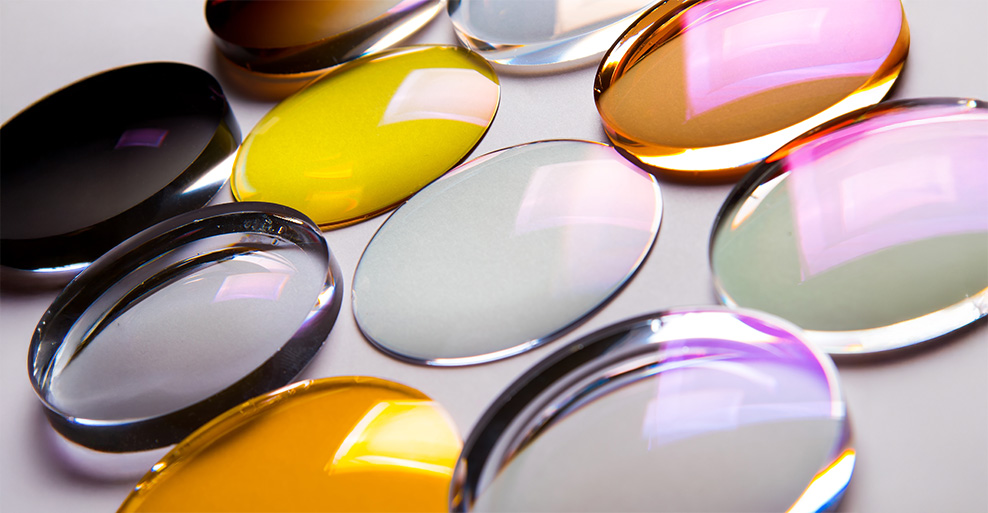
High index lenses let people with strong prescriptions enjoy thinner, lighter, and more comfortable glasses without losing visual clarity.
You will know about high index lenses meaning in each number—1.61, 1.67, and 1.74—shows how much the lens material bends light. The higher the refractive index, the less material you need to correct vision, so you get slimmer edges and a neater look. These lenses differ in more than just thickness. They also vary in weight, durability, price, and how well they reduce distortion.
Understanding the science behind the refractive index helps explain why a 1.74 lens can make a strong prescription look almost flat. Meanwhile, a 1.61 lens suits average prescriptions while keeping high index lenses cost more affordable. This guide breaks down what a lens index is and compares the most popular types. It also explains how to match the right lens with each prescription. You'll find tips on comfort, visual performance, coatings, and frame fit. If you're choosing between 1.61, 1.67, and 1.74, you'll know exactly which lens index feels right for you.
Understanding Lens Index And Refractive Power
Lens index describes how efficiently a lens bends light. This affects thickness, weight, and visual clarity. A higher index bends light more strongly, so lenses can be thinner for the same prescription strength. Sometimes, though, this comes at the cost of optical clarity.
What The Refractive Index Measures? (Light Bending Ability)
The refractive index shows how much a lens material can bend (refract) light as it passes through. Light slows down when it enters denser materials. The refractive index number expresses that slowdown.
If you're wondering about the 1.61 high index lenses meaning, it refers to how efficiently the lens bends light compared with standard plastic lenses. For example, a 1.61 lens bends light more efficiently than a standard 1.50 plastic lens, so you get the same prescription power in a thinner profile. Common indexes include 1.50 (standard), 1.61, 1.67, and 1.74. Each step up means greater optical density and stronger refraction. For users with stronger prescriptions, this higher light-bending ability reduces edge thickness and improves comfort.
This is especially true in larger or rimless frames. The higher efficiency does change optical dispersion, which can affect clarity sometimes. Choosing a higher index lens makes the biggest difference when prescriptions go past ±3.00 SPH. It helps balance vision correction accuracy with how your glasses look and feel.
How Index Influences Lens Thickness And Weight?
The refractive index directly determines how thin and light a lens can be for any given prescription strength. Because a higher-index lens bends light more strongly, you need less lens material. For instance, a 1.67 lens can be about 30–35% thinner than a 1.50 lens with the same prescription.
Denser materials weigh a bit more per unit volume, but the thinner size often makes up for it. So, 1.67 and 1.74 lenses usually feel lighter overall. Thinner lenses minimize the “coke-bottle” effect and improve eye appearance. They also fit better in minimalist or semi-rimless frames.
If you have higher myopia (around -5.00 or more), high index eyeglasses improve comfort and balance while keeping structural strength. The higher the index, the slimmer the lens edge, making your glasses feel lighter and more natural for everyday use.
The Trade-Off: Clarity (Abbe Value) Vs Thinness
The Abbe value measures how much a lens material spreads colors (chromatic aberration). This affects visual clarity, especially around the edges.
Materials with higher refractive indexes usually have lower Abbe values. For example, a 1.50 lens may have an Abbe value around 58, while a 1.74 lens averages 33–36. Lower Abbe values can cause mild color fringes or blur at the lens periphery. This is most noticeable in strong prescriptions.
For moderate prescriptions, most people don't notice the difference. For stronger ones, picking 1.61 or 1.67 balances thinness with better clarity. As the index rises, light bends more sharply and separates into color components faster. This trade-off comes from how tightly packed the material molecules are.
Users should weigh cosmetic benefits against minor clarity loss. If you're sensitive to color distortion or peripheral blur, it's something to keep in mind.
Differences Between Popular Indexes: 1.61 Vs 1.67 Vs 1.74
Lens index affects how thick, heavy, and optically clear your glasses feel and look. Knowing how each type performs helps you pick the right option for your prescription and comfort needs.
Thickness Comparison (Edge And Center)
Lens index determines how much a lens material can bend light, which affects how thin the lens can be for the same prescription strength. A higher index like 1.74 bends light more efficiently than lower ones like 1.61. Because of this, 1.74 lenses can be made thinner for the same prescription.
For example, a -6.00 diopter lens might be about 35–40% thinner in 1.74 than in 1.61. For strong minus prescriptions, 1.74 lenses have slimmer edges, which reduces bulk and helps them fit better into minimalist frames. For strong plus prescriptions, a higher index decreases the center thickness, so you don't get that “magnified” eye look.
Thinner lenses usually look better and fit more easily in lightweight or rimless frames, but this doesn't always improve optical performance.
Weight And Comfort
Lens weight depends on both the material density and thickness. Together, these affect how glasses feel during daily wear. 1.61 high index lenses typically use mid-density plastics (about 1.3 g/cm³) that balance lightness and durability. 1.74 lenses, though thinner, have higher density (about 1.47 g/cm³).
Because density offsets thinness, the weight difference between 1.67 and 1.74 lenses is small—often less than 10%. For moderate prescriptions, you might not even notice it. Lightweight frames pair well with 1.61 or 1.67 because those lenses balance mass and thickness.
Heavy or large frames may benefit from 1.74 lenses to reduce peripheral weight. Reduced thickness means less pressure on the nose bridge and ears, leading to steadier comfort during long hours of wear.
Abbe Value And Optical Clarity
The Abbe value measures how much chromatic aberration a lens produces. Higher numbers mean better color and edge clarity. 1.61 lenses average an Abbe value around 42, 1.67 around 32, and 1.74 around 30. Lower scores mean more potential color dispersion at lens edges.
A lower Abbe value can cause minor color fringes around lights at night or slight blurring at the edges, especially in high prescriptions. The thinner 1.74 material sacrifices some optical clarity for improved cosmetics.
For light or moderate prescriptions, 1.61 or 1.67 lenses often give clearer, more natural vision. Users sensitive to peripheral distortions or those doing detailed close work may prefer 1.61 or 1.67 for sharper color definition.
Cost Difference Overview
Cost differences reflect how complex the material is to produce, its optical performance, and the level of refinement in lens finishing.
1.74 lenses need more advanced molding and coating processes, which increases production costs. On average, 1.61 lenses are the least expensive, 1.67 is in the middle, and 1.74 lenses can cost 30–60% more, depending on coatings or prescription range.
For low to moderate prescriptions, the thinner profile of 1.74 adds little benefit compared to 1.67, so 1.61 or 1.67 are often more cost-efficient. Choosing 1.74 lenses makes the most sense for strong prescriptions (around +/-6.00 or higher), where thickness reduction is visually significant.
Which Lens Index Matches Your Prescription?
Lens index determines lens thickness, weight, and how efficiently light bends through the material. Higher indexes give you thinner, lighter lenses that minimize edge distortion and reduce weight for stronger prescriptions.
Mild Prescriptions (Below −3.00): Mid-Index (1.59–1.61)
Mid-index lenses in the 1.59 to 1.61 range strike a nice balance between cost, optical quality, and appearance. They bend light more than standard 1.50 plastic, so you get thinner edges even with moderate prescriptions. Most of the time, these lenses use either polycarbonate at 1.59 or MR-8 resin at 1.61.
Polycarbonate is tough and impact-resistant, which makes it popular for kids or people who tend to be active. MR-8 resin, a high-index plastic, delivers clearer optics and less color distortion thanks to its higher Abbe value, usually around 42.
Lenses in this category stay lightweight and look better than basic low-index options. If you’re sensitive to thick lens edges, 1.61 often feels just right—it keeps frames slim and prices reasonable.
Strong Prescriptions (−3.00 To −6.00): High-Index (1.67)
If your myopia falls between −3.00 and −6.00, a 1.67 high-index lens is a smart pick. This lens bends light more efficiently, so the profile stays thinner and lighter. Manufacturers usually use urethane-based materials for these, refined for precise optics.
Because the material is denser, lenses end up about 30 to 35 percent thinner than standard 1.50 plastic at the same prescription. That means better comfort, less edge distortion, and weight that’s easier on your nose for everyday wear. They also work well with advanced coatings, like anti-reflective or UV protection, without losing clarity.
If you want thin, stylish glasses that hold up well and don’t bulge at the edges, 1.67 lenses tend to fit the bill.
Very Strong Prescriptions (Beyond −6.00): Ultra High-Index (1.74)
If your prescription is stronger than −6.00, 1.74 high-index lenses deliver the absolute slimmest look. These use an extremely high refractive index, bending light more per unit thickness than anything else in the lineup. They’re made from MR-174 polymer, a dense optical plastic designed for maximum refraction but minimal weight.
With 1.74, lenses can be up to 50 percent thinner than standard plastic types. But, the denser material drops the Abbe value to around 36 to 38, so you might notice a bit more color dispersion at the lens edges.
Still, most people with strong prescriptions find the tradeoff worth it—these lenses look elegant, feel light, and keep the “bug-eye” effect to a minimum. If you care most about comfort and appearance with a very high prescription, 1.74 usually comes out on top for clarity, thinness, and subtle lens curves.
Plus Lenses (Farsighted): Specific Considerations
If you’re farsighted, your lenses need thicker centers instead of thick edges. Choosing a higher index lens, like 1.67 or 1.74, cuts down the central thickness and keeps things lighter overall. Since plus lenses magnify, the material you pick really affects both clarity and shape.
Go for a lens with an Abbe value above 40 to keep chromatic distortion low and your vision sharp—MR-8 or MR-10 materials do well here. Frame size matters too. Smaller, rounder frames help hide lens thickness for plus prescriptions.
Pairing a high-index lens with a compact frame usually means comfortable, well-balanced glasses that look and work great.
How To Choose The Right Lens?
There’s more to lens performance than just the refractive index.
Things like frame size, your daily routine, and the coatings you pick all play a part in comfort, durability, and clear vision.
Frame Size And Style (Rimless, Oversized)
Frame size and style really shape how thick or thin your lenses look and how well they fit. If you’re looking at rimless or semi-rimless frames, you’ll need drill-mounted lenses that can handle stress. High-index materials like 1.67 or 1.74 give you that edge strength and let you get thinner edges without sacrificing durability.
Oversized frames need more lens surface, so even a small boost in diameter makes edges thicker. Higher index lenses keep the thickness and weight down, making for a more comfortable fit.
Stronger prescriptions increase lens curvature, which stands out more with open-frame styles. Picking a higher index keeps lenses flatter and avoids that “bulging” look. Matching your frame design with the right index can really help with both style and lens stability.
Lifestyle And Durability Needs
Your daily habits and lifestyle decide how much impact resistance and toughness you’ll need from your lenses. If you’re active, play sports, or work outdoors, safety and strength matter a lot. A 1.61 high-index lens, often made from MR-8 resin, takes hits better than many 1.67 or 1.74 lenses, so it’s a solid choice for busy lives.
Work environments with lots of cleaning or dust call for lenses that can resist scratches and cracking. Some high-index lenses come with a hard coating, boosting surface hardness to around 2H on the pencil scale. This extra layer helps your lenses stand up to daily use.
Lighter lenses take pressure off your nose and ears, which you’ll notice if you wear glasses all day.
Coatings: Anti-Reflective, Scratch-Resistant, UV Protection
Lens coatings protect the surface and help you see better in all kinds of light. An anti-reflective (AR) coating cuts glare by canceling out reflections with thin-film layers. This makes a big difference at night or when you’re looking at screens, easing eye strain and boosting contrast.
A scratch-resistant coating, usually silicon dioxide-based, toughens the surface and helps prevent those annoying fine scratches. Clearer lenses last longer and scatter less light, so your vision stays sharp.
Most high-index materials already block more than 99 percent of UV rays. Add a UV400 coating, and your eyes get extra shielding from UVA and UVB, which matters if you’re outside a lot. That’s a real bonus for long-term eye health.
Expert Tips For Balancing Comfort, Clarity, And Cost
Choosing between 1.61, 1.67, and 1.74 high-index lenses means weighing thickness, clarity, and price. Your best option depends on your prescription, frame style, and how often you’ll wear the glasses.
When To Prioritize Thinness?
If you’ve got a strong prescription, thin lenses really do make glasses more comfortable and better looking. Thinness matters most when your prescription is above plus or minus 4.00 diopters, since higher index lenses trim down edge thickness a lot. A 1.74 index lens bends light more efficiently than 1.61, so you get the same correction with less material.
That means lighter, thinner glasses overall. Thin lenses also sit closer to your face and cut down on the “fishbowl” effect you sometimes get with thick lenses. This helps keep glasses balanced and your vision more natural.
Rimless or semi-rimless frames look best with thin lenses, since thick edges can look bulky or even distort the frame shape. Going with 1.67 or 1.74 keeps the profile slim and prevents slipping.
The catch is cost—1.74 lenses can be almost twice the price of 1.61. If your prescription is mild, you probably won’t see enough benefit to justify the extra spend.
When Optical Clarity Matters More?
If you spend hours reading, driving, or working on screens, optical clarity might matter more than lens thinness. Clarity takes the lead when sharpness and minimal color distortion are your top priorities. Lower index lenses like 1.61 have a higher Abbe value, usually 42 to 45, compared to 1.67 or 1.74, which hover in the low 30s.
A higher Abbe value means less color fringing at the edges—so fine detail stays crisp. People with sensitive vision or jobs that demand detail, like graphic design, might prefer 1.61 even if the edges are a bit thicker. Clearer vision means less eye strain over long stretches of focus.
With fewer distortions, your eyes don’t work as hard, which can help prevent headaches. For a good balance, 1.67 often hits a sweet spot—it thins the lens but doesn’t introduce as much chromatic aberration as 1.74.
How To Discuss Options With Your Optician?
Conversations with your optician help match your needs with the right technical choices. You’ll get better results if you explain how you use your glasses and what matters most—whether that’s weight, glare, or something else. Start by listing how often you wear your glasses, what you do with them, and what bugs you about your current pair. Your optician can use that info to recommend the best lens index for you.
Ask to see side-by-side thickness and weight comparisons—some places have demo lenses or charts that show the millimeter differences between 1.61, 1.67, and 1.74. Seeing it for yourself makes it easier to decide if the visual change is worth the price jump.
Talk about optional coatings like anti-reflective, scratch-resistant, or blue-light filters that work well with high-index lenses. Each one tweaks the lens performance a bit, so your choice affects both comfort and cost.
Opticians can suggest cost-saving setups too, like using 1.61 for everyday wear and 1.74 for special occasions or rimless styles. This way, you get comfort and quality without overspending.
Key Takeaway: Choose Index Based On Prescription Strength, Not Just Marketing Buzz
When picking a lens index, focus on what your eyes need, not just the highest number on the shelf.
Reason: Higher indexes bend light more efficiently because the material's refractive index is higher. That means thinner lenses at the same prescription strength.
Limitation: The thinnest lens, 1.74, can reflect more light and feel heavier per square centimeter since the material is denser. So, while it looks sleeker, it might not always feel as comfortable.
Guideline:
Go for 1.61 if you want a balance between cost and clarity for lighter prescriptions.
Pick 1.67 for moderate-to-strong prescriptions if you want thinner lenses and good optical accuracy.
Choose 1.74 only when you have a high prescription and need maximum thinness, even if it costs more and reflects more light.
FAQs
What distinguishes high index lenses from standard lenses in terms of optical clarity?
High index lenses use denser materials, so they bend light more efficiently than regular plastic lenses.
Material Density: A 1.67 or 1.74 lens bends light more sharply, so you need less material to correct your vision.
Light Transmission: Some high index materials reflect more light, so brands add anti-reflective coatings to keep vision clear. You'll notice less glare, especially in bright places.
Visual Appearance: High index lenses usually have less edge distortion, so things look more natural at the sides.
How do 1.61, 1.67, and 1.74 high index lenses differ in thickness and weight?
Lens index changes both thickness and weight.
Physical Thickness: For the same prescription, a 1.74 lens is about 40% thinner than a 1.50 plastic lens and 20–25% thinner than a 1.61. Higher index materials just need less curve to do the job.
Weight Difference: Higher index lenses use denser materials, so they're thinner but can weigh a bit more per cubic centimeter. Still, because you use less material, total weight often drops.
Prescription Impact: Folks with strong nearsightedness or farsightedness get the most benefit from thinner edges and flatter lens profiles.
What are the benefits and drawbacks of choosing higher index lenses for high prescriptions?
High index lenses have some clear pros and a few cons.
Benefit — Reduced Thickness: They allow flatter curves, which means you don't get those thick, bulging edges. That just looks and feels better.
Benefit — Improved Fit: Thinner lenses slip into modern, lightweight frames more easily.
Drawback — Reflectivity: Denser surfaces reflect more light, so you may get more glare unless you add anti-reflective coatings.
Drawback — Cost: Making high index lenses is more complex, so prices go up.
How does the index number of a lens affect the cost, and why?
Higher index lenses cost more because they're harder to make.
Material Complexity: A 1.74 high index polymer needs precise molding and higher melting temps, which takes more time and energy.
Processing Precision: Thinner lenses require tighter control during grinding and polishing, so there's more labor and extra quality checks.
Market Availability: Fewer companies make high index materials, which bumps up supply chain costs. So, you pay more for lighter, thinner lenses, but not necessarily for better vision correction.
Can high index lenses reduce distortion and improve aesthetics for strong prescriptions?
Higher index lenses can help minimize distortion, reducing the high index lenses distortion that may affect the appearance of your glasses.
Distortion Control: Less curvature means the optical centers stay more stable, so you don't get as much “fishbowl” or magnification effect.
Aesthetic Improvement: Thinner lenses make your eyes look more natural in size through the lens. You avoid the “tiny eyes” or “magnified eyes” look that thick lenses can cause.
Practical Outcome: You'll probably find it easier to adapt visually when switching between distances, and your glasses will look better overall.
What frame types are best suited for 1.61, 1.67, and 1.74 index lenses?
Frame strength and lens fit need to match the lens index for comfort and durability. For 1.61 lenses, you can use most full-rim metal or plastic frames. These frames keep thickness and rigidity in check, which just feels right for everyday wear.
1.67 lenses pair nicely with semi-rimless frames or thinner acetate frames, like the ones you’ll find here. The lens edges stay slim but strong, so you get a lighter look without sacrificing support. If you’re looking at 1.74 lenses, stick with full-rim frames that wrap around the entire lens. These ultra-thin lenses really need that extra edge support, otherwise, you might run into problems with stress cracks or chips.
Keep in mind, the shape and size of your frame matter too. Smaller or rounder frames often make the lens edges look even thinner, which is a nice bonus if you care about aesthetics.