How to Clean the Gap Between Your Glasses Frame and Lenses?
May 26, 2026
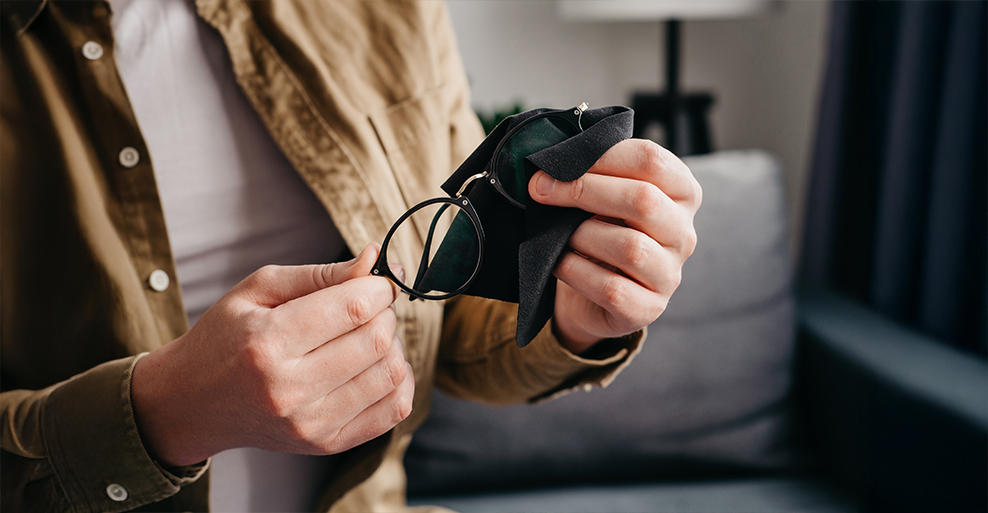
Cleaning the small gap between the lenses and the frame is done by running the glasses under some water, adding a tiny drop of mild soap, and working around the edges with a soft brush or a cotton swab. That narrow spot loves to collect dust and skin oils, and a quick wipe hardly ever reaches the stuff stuck right in the corner.
Most of the time, a microfiber cloth gets rid of whatever is left, though sometimes a little speck hangs on and needs another try. Spending an extra minute on that area makes the lenses look clearer, and the whole frame just feels nicer to wear afterward. Doing regular cleaning every so often keeps the frames from getting dirty.
This guide offers several tips to handle those tight spots, ensuring your glasses stay comfortable and in good condition.
Why Cleaning the Gap Matters?
Cleaning the gap between the frame and the lenses matters to prevent vision obstruction, maintain hygiene, and prolong frame life.
Prevent Vision Obstruction
Dust, cosmetic traces, and all sorts of tiny particles settle along the bevel, the slim channel that actually holds the lens. They don’t show themselves loudly; instead, they build a thin ring of haze that interferes with light around the edges. This is subtle at first, almost easy to ignore, until the particles suddenly become noticeable during tasks that require more focus. Cleaning that border brings back sharper light transmission and cuts down on the scattered reflections that creep in during close work.
Maintain Hygiene
The gap between the frame and the lens tends to trap oils, moisturizing products, and whatever comes from daily environments. When the oils stay there too long, they can lead to mild bacterial activity, especially around areas that rest on the skin. Removing the buildup reduces irritation and helps the frame sit more comfortably.
Prolong Frame Life
Debris pressed into the eye wire groove doesn’t just sit there, but rubs lightly against metal or acetate coatings every time the glasses flex. Over months, this friction dulls the finish or creates uneven marks that age the frame faster than expected. Clearing that material before settling too firmly protects the coatings and reduces unnecessary wear on the structure. Even an occasional cleaning can extend the lifespan of the eyewear without any special tools or effort.
Tools and Materials You Need
The tools for cleaning the gap between the frame and the lenses are a microfiber cloth, a bit of mild soap, warm water, and either cotton swabs or a small soft brush. These simple tools cover most situations without putting the frame or coatings at risk.
Microfiber Cloth
The microfiber cloth handles the broader cleanup. The cloth lifts the fingerprints and the usual surface smudges, as well as the residue from the finishing touch. The cloth is designed not to scratch the lenses, but gives the frame a cleaner look once the inner edges have actually been dealt with.
Mild Soap and Warm Water
For anything stuck deeper in the groove, mild soap and warm water do most of the heavy lifting. That mix breaks down the oils and the film that tends to pack into the lens edges. Mild soap works across nearly all frame types, so that is the safest starting point when the buildup feels harder than a quick wipe can handle.
Cotton Swabs or Soft Brush
Cotton swabs or a soft brush are for the awkward parts—the narrow spots where the cloth can’t reach. These tools can get between the lens and the frame without pushing too hard or bending anything. They’re small enough to move out the grit that usually goes unnoticed until visibility is undeniable along the edges.
Step-by-Step Cleaning Process
- Rinse with Warm Water: The first step is to run the glasses under warm water—not hot, just warm enough to loosen any dust that may be clinging to them. This step mainly keeps any tiny grit from dragging across the lenses later. Some frames don’t handle heat well, especially older plastic ones, so staying on the mild side avoids any weird warping.
- Apply Soap Solution: After that, rinse, apply a drop of mild soap on your fingertips, and start working the soap around the edges of the lenses. The soap doesn’t need to be perfectly even; the goal is mostly to let the soap slip into that narrow seam where the lens sits. That spot catches oil faster than most people realize, so even a small amount of soap helps clean the oil.
- Clean with a Swab or a Brush: Once the soap has had a moment to dissolve, grab a cotton swab or a small, soft brush and dip the swab into the same soapy water. Move along the groove slowly, almost as if tracing the outline of the lens. Light pressure works better than trying to scrub hard. The dirt usually comes loose without much force, and pushing too much can make the lens shift or leave tiny lines if something sharp gets dragged along without noticing.
- Use a Microfiber Cloth: After rinsing everything again, use a microfiber cloth to dry the glasses. Pat first—don’t rub right away—so the water doesn’t streak. Then wipe the lenses and frame normally. Sometimes moisture hides right at the junction between the frame and lens, so a quick extra check helps avoid soap marks that may appear later once everything dries.
Key Precautions: Avoiding Mistakes and Matching Materials
Glasses don’t need complicated care, but they do react badly to the wrong stuff. Sometimes the damage shows up slowly enough to be easily recognized. Different materials behave in their own way, so keep a couple of practical boundaries in mind rather than one perfect method for everything.
Tools and Cleaners to Avoid
Anything with stiff bristles or rough fibers is basically a no-go. Shoe brushes, old toothbrushes that have lost their softness, and even paper tissues scrape coatings fast. The same idea applies to aggressive cleaners, including alcohol, acetone, laundry soap, and heavy-duty dish detergent. They cut grime, sure, but they also cut through coatings and make plastic frames look older than they actually are.
Tips for Special Glasses Frames
Because not all frames respond the same way, the cleaning approach requires some fine-tuning.
- Metal Frames (Titanium, Stainless Steel): If rust sneaks into the corners, a soft brush with plain water usually handles the issue, providing gentle strokes. Metal doesn’t appreciate being soaked in solutions; sometimes that ends up causing new problems. Drying the frame right away helps slow down any rust trying to come back.
- Plastic Frames (TR90, Acetate): Plastic can be sensitive to touch. Cleaners should stay on the surface briefly—something like a quick pass instead of a long soak. Soap left on acetate or TR90 for too long can make the texture feel a bit off or leave dull marks. A thorough rinse afterward avoids that slow surface wear that appears months later.
- Semi-Rimless Glasses (With Nylon Wire): The nylon wire looks sturdier compared to the others. Trying to scrub underneath the wire can stretch or weaken the line. Clean around the nylon wire gently with a soft cloth and just avoid putting any kind of force on the wire itself. Once the wire starts to loosen, the lens won’t sit right anymore.
Daily Care and Long-Term Benefits
Keep a Regular Cleaning Routine
A quick daily wipe with just the microfiber cloth helps keep the dust from settling into the little gaps around the lenses. Once a week is worth doing a slightly more thorough clean, especially if the glasses start to feel a bit smudgy even after wiping. Regular maintenance keeps the lenses clearer. This, in turn, saves you from slowly dealing with tiny problems that turn into bigger repairs down the line.
Store and Use Glasses Correctly
Storing the glasses properly makes a bigger difference than most people expect. A hard glasses case keeps out the random grit that shows up in bags or pockets. The case also stops the frame from getting bent or scraped just from being put down for a second. Most wear-and-tear issues start from those quick moments, not dramatic accidents.
Final Thoughts
Paying attention to the small cleaning habits and handling the glasses with a bit of care goes further than the first impression of caring for them. Comfort improves, the lenses stay cleaner without much effort, and the frame doesn’t age as fast. None of that is complicated—just small things that, when done regularly, add up to a clearer vision and a longer life for the glasses overall.
At GlassesShop, we design frames that are stylish, durable, and easy to care for—so keeping the gap between lenses and frames clean is never a hassle. Explore our wide range of eyeglasses with custom lens options, and enjoy Buy One Get One Free, free shipping, and a 365-day warranty for worry-free wear.
Related Blogs
- How to Clean Your Eyeglasses Cleaning Cloth?
- Cleaning Eyeglasses: How to Get White Film off Eyeglasses Frames
- How To Clean, Store & Maintain Glasses (The Right Way)