How to Tighten Glasses at Home?
Nov 28, 2025
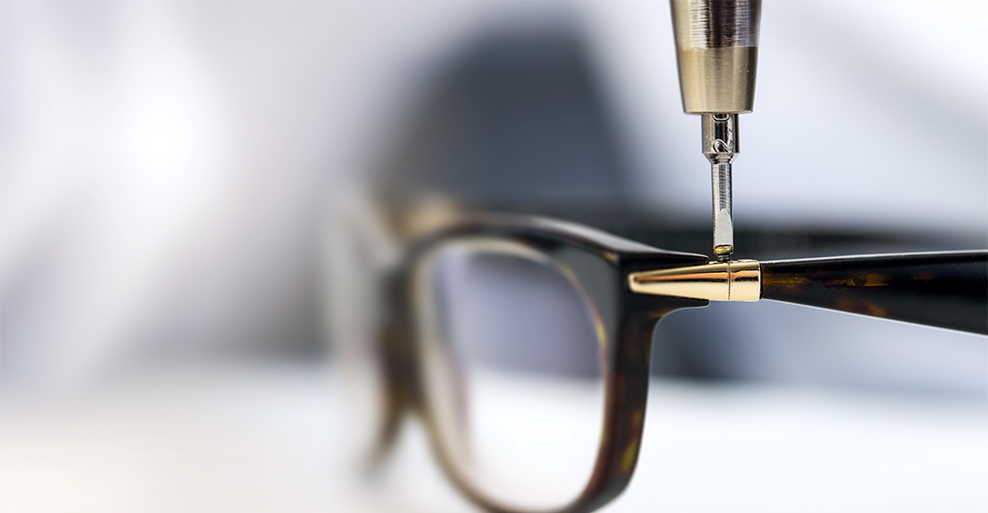
If your glasses become slack or they continuously fall down your nose, a fast adjustment will significantly change the situation. By making a few minor tweaks to your glasses at home, you can regain the feeling of comfort, support, and of course, your clear vision.
On top of that, you will not be required to make a trip to the optician. Most of the time, loosening of the frames is due to screws that have become loose, temples that have been widened, or nose pads that have been stretched.
You can tighten your glasses with a small screwdriver, needle-nose pliers, or a hair dryer. Just use them gently to adjust the fit. The goal is to ensure your glasses stay secure without pinching or causing discomfort. This guide shows the best DIY ways to tighten metal, plastic, and wire frames.
Why Glasses Become Loose?
Normal usage over time can eventually cause glasses to become loose as a result of minor, gradual changes in their components and structure. It is possible to repair your loosened glasses at home in a simple manner and just by making a few small adjustments.
Below are the most common reasons your frames or screws start to lose their snug fit:
Daily wear and tear: Constant use gradually loosens the screws and the hinges, particularly when the folding and unfolding is done frequently.
Temperature expansion: Heat makes plastic frames expand while metal frames slightly change their shape, hence the overall fit gets affected.
Vibration and movement: A series of small hits, such as setting the glasses down or wearing them while doing sports, can gradually loosen the screws.
Improper storage: You should not leave the glasses on an uneven surface or expose them to heat (i.e., in a car) because the temples or the bridge might get warped.
Tools You’ll Need to Tighten Glasses
Just before you decide to tighten your glasses, make sure you have collected the right tools in order to be precise and safe. If you put on the right gear, you won't have to worry about scratches, misalignment, or excessively tightening the screws, hinges, and frames.
Below are the essential tools and their functions:
Mini Screwdriver (Flathead or Phillips): Used to tighten or replace tiny hinge screws. The correct head type ensures a secure fit without stripping the screw.
Glasses Repair Kit: A small kit that most probably features mini screwdrivers, spare screws, tweezers, and a magnifier, is essentially the set from which one can take everything required for small adjustments or mending.
Microfiber Cloth: Protects lenses and prevents slipping during handling. It’s also useful for cleaning smudges before and after the adjustment.
Tweezers or Pliers: Provide grip and control when handling tiny screws or adjusting temple arms. Precision pliers work best for bending metal frames slightly.
Optional: Hair Dryer or Warm Water (for Plastic Frames):
Gently heat plastic frames to make them more flexible before bending. Use low heat or warm water for 20–30 seconds to avoid damage.
Step-by-Step Guide to Tighten Glasses at Home
There is no need to worry if you want to tighten your glasses at home, just make sure you follow a step-by-step process carefully. Be careful not to damage the small screws, arms, hinges, or nose pads, as these are made of delicate material.
Here’s how to do it safely and effectively:
Inspect Frame Condition: Check for cracks, bent arms, or missing screws. Avoid forcing adjustments and consider professional repair.
Identify Loosened Screws or Arms: Gently move the temples (arms) and bridge to see where the looseness occurs, usually at the hinges or nose area.
Prepare Tools: Use an eyeglass repair kit with a precision screwdriver, or a small jeweler’s screwdriver. Work under good lighting and place your glasses on a flat, clean surface.
Tighten Screws Gently: Turn the screw clockwise in small increments until it feels snug. Avoid overtightening, as it can strip the thread or crack the frame.
Check Nose Pads and Temple Fit: Adjust nose pads slightly inward if glasses slip down, or outward if they pinch.
Test and Adjust: Try the glasses on and gently shake your head. If they stay in place comfortably, the fit is correct.
Tightening with a Screwdriver
A screwdriver is the most effective tool for fixing loose hinges and temple screws on your glasses. Follow these steps to tighten them safely and accurately:
Locate the Hinge Screws: Open and close your glasses gently to identify where the looseness occurs. Most screws are located at the temple hinges (where the arms fold) or near the nose bridge on certain frame types.
Choose the Correct Screwdriver Type: Use a mini flathead or Phillips screwdriver that fits the screw head precisely. Using the wrong size can strip the screw or damage the hinge.
Turn Direction and Pressure: Rotate the screwdriver clockwise in small, gentle turns. Avoid forcing it, as excessive torque can crack the frame or deform the hinge.
Avoid Common Mistakes:
Over-tightening may strip the screw threads or stress the frame.
Using the wrong screwdriver type can cause slippage or scratching.
Skipping cleaning may let dust or oil interfere with the screw’s grip.
Tightening Without a Screwdriver
If your glasses feel loose and you don’t have a screwdriver, there are some safe ways to tighten them temporarily. For plastic frames, gently warm the temple arms by running them under warm water (around 40–45°C / 104–113°F) for 20–30 seconds. This softens the material just enough to make slight adjustments.
If your glasses have hidden or spring hinges, use small rubber bands or silicone sleeves on the temple ends. In an emergency, you can temporarily fix loose clips or worn arms of your sunglasses. Use clear tape, elastic thread, or a small hair tie.
Adjusting Plastic vs. Metal Frames
The materials of the frames determine how they need to be changed. Each material has its own story regarding temperature, pressure, and tools. By knowing your frame's strength and flexibility, you can adjust it just right.
Plastic Frames: One controlled heating will cause the plastic to become soft and allow a gentle reshaping to be done. Soak the temple arms in warm water (40–45°C / 104–113°F) or hold a hair dryer on a low setting for 20–30 seconds.
Metal Frames: Metal frames depend upon screw or hinge-based adjustments for their changes and are thus able to take up a moderate pressure. A precision screwdriver should be used for tightening hinge screws and if bending the arms slightly inward is what you want to do then use pliers which have been wrapped in a soft cloth.
How to Fix Common Fit Problems?
Over time, well-made glasses can lose their alignment. However, you can often fix them at home with a few simple adjustments. It could be loose temples, slipping nose pads, or uneven arms.
Loose Temples or Arms: For plastic frames, soften the temple ends with warm water (40–45°C) and gently bend them inward to enhance grip behind the ears. For metal frames, tighten the hinge screws or use padded pliers to slightly adjust arm angle.
Sliding Glasses: Add silicone nose pads or temple sleeves to increase friction and prevent slipping.
Uneven Fit (one side higher): Place the glasses on a flat surface to check alignment. Carefully bend the lower arm upward or the higher arm downward to restore balance.
Pressure Behind Ears: Warm and reshape the temple tips slightly outward to relieve tension while maintaining support.
Nose Pinching: For metal frames, gently widen the nose pads using your fingers or small pliers wrapped in cloth. This reduces pressure and improves comfort.
Glasses Slipping Down Nose
Implying that the nose pads are loose, the bridge is uneven, or that the grip is insufficient, a situation where glasses keep slipping down the nose is typical. By pinching the pads closer together, you can fix the problem on metal frames in a very gentle manner. Use your fingers or small pliers wrapped in a soft cloth. If the pads happen to be old, worn, or loose, replace them. In the case of plastic frames without adjustable pads, first, immerse the bridge area in warm water (approximately 40°C / 104°F) for 20–30 seconds. After that, gently press inward on both sides of the bridge.
Arms Too Loose or Too Tight
If the sides of your eyeglasses are too tightly or loosely fitting, you can make an adjustment to them. Your glasses will not slip and the wearing will become more comfortable. In case you have a plastic frame, warm up the temple arms. You can do it under running water at 40–45°C (104–113°F). Another way is to use a hair dryer on a low heat setting for 30 seconds. After the parts have been softened, gently turn the arms one side if you want a tighter grip or the other side if you want to relieve the pressure.
If the frames are made of metal, then you should use pliers covered with a soft cloth. If you want them to be less tight, pull them outward so that they become straighter. However, be very cautious that you do not overbend as occasionally, when too much force is used, the hinge may get weakened or the frame may become distorted. Of course, we also have flexible glasses to solve these problems on arms.
When to Visit an Optician?
When your glasses are still shaky, crooked, or uncomfortable after trying to fix them at home, you need to see an optician. They have the right tools and knowledge to do all without causing any harm.
Seek professional help when:
The arms or bridge feel unstable even after heating or tightening.
The frame tilts or sits unevenly on your face.
You notice scratches, cracks, or stripped screws that limit DIY fixes.
The lenses shift or loosen in the frame.
New glasses might not be your first priority after a repair. Thus, if you need to get your now pair fixed, make sure to keep them fitting right. With the help of the Virtual Try-On tool at GlassesShop, you are able to find out how the glasses will look on you. As another option, you can also get in touch with us for a professional consultation.
FAQ
Is It Possible to Get Your Glasses Tightened?
Yes. At an optician’s office or optical store, you can get your glasses professionally tightened. The adjustment is done by a trained technician with very accurate instruments on the hinges, screws, and temple arms.
Can I Tighten My Glasses Without a Screwdriver?
Yes. You can tighten glasses without a screwdriver using safe home methods. In case of plastic frames, put the temple arms in warm water (40–45°C / 104–113°F) for 20–30 seconds. After that, carefully bend them towards the inside to increase the hold.