Why Do Clear Glasses Turn Yellow? A Complete Guide
Jun 23, 2026
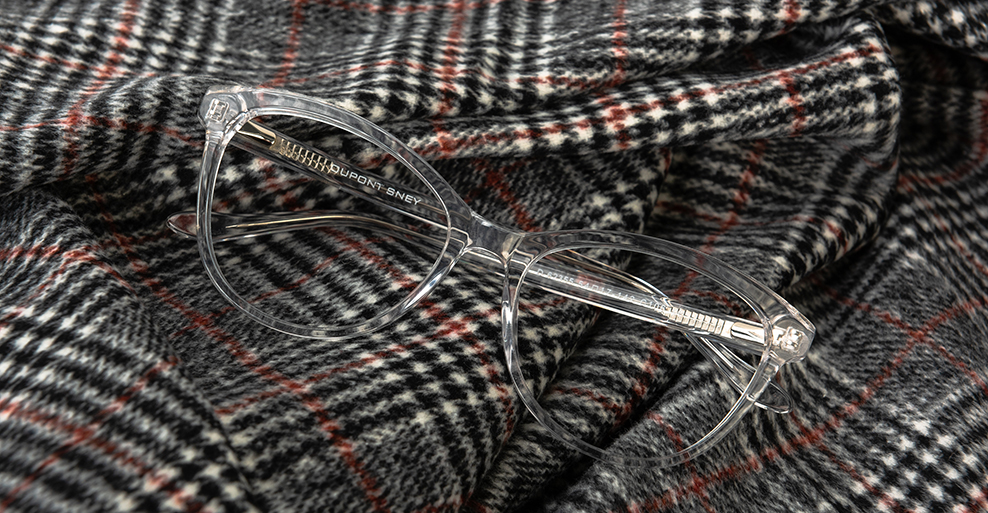
Clear glasses are known for their clean, modern look, while many users notice gradual yellowing after months of wear. This discoloration is caused by a combination of environment, material, and daily habits. Sunlight, heat, and polluted air speed surface ageing. Daily contact with oils and residue increases color change on clear frame eyeglasses.
This guide explains the causes of this situation. Understanding these causes helps you maintain clarity and choose the best clear glasses finish. It will also keep your frames bright for longer with simple care and clean storage.
What Causes Clear Glasses to Turn Yellow?
Clear frames turn yellow because light, oxygen and pollution slowly change the material. Clear framed glasses used outdoors or kept near sunlight change faster. Smoke and dust also speed this change, while indoor storage keeps them clear longer.
UV Exposure Over Time
Long-term exposure to ultraviolet (UV) light is one of the most common causes of yellowing in clear glasses frames. UV rays gradually break down certain plastics through a process known as photodegradation, altering the material's structure and causing permanent discoloration.
This damage tends to occur faster in eyewear that is frequently worn outdoors, especially in strong sunlight. Clear frame sunglasses and glasses made from lower-quality plastics are often more vulnerable, particularly if they lack UV-resistant coatings. Yellowing may first appear around the front rim or temples, where sun exposure is most direct.
Over time, the clear material can develop a noticeable yellow or amber tint, causing frames to lose their original crystal-clear appearance. Proper storage and limiting unnecessary sun exposure can help slow this aging process.
Oxidation of Frame Materials
Oxidation is a natural chemical reaction that turns clear glasses yellow over time. This process happens when oxygen in the air interacts with the frame's plastic, similar to how a cut apple turns brown. Common materials like acetate and TR90 plastic are prone to this slow, natural ageing.
The reaction speeds up significantly when frames are exposed to oils from your skin, sweat, or makeup. Over weeks and months, these substances mix with oxygen on the frame’s surface. This causes a chemical change that creates a yellow film. The yellowing usually starts in high-contact areas first. You will often see it on the nose pads and the inner parts of the temples. This is why regular clear frame glasses users often see discoloration where the frames touch the skin the most.
Proper cleaning can slow oxidation, but it is a natural process for most plastics. Choosing high-quality, clear eyeglasses with stabilized materials can help delay this effect from the start.
Environmental Pollutants
Environmental pollutants are a major cause of yellowing in clear glasses. Airborne particles from sources like tobacco smoke, car exhaust, or industrial smog settle onto the frame's surface. These particles create a thin, sticky film that builds up over time. This layer can eventually darken and cause a yellowed appearance on your eyeglasses with clear frames. Common household items also play a role. Chemicals in cleaning sprays, hair products, and perfumes can react with the plastic. These reactions can break down the material or leave a residue that discolors it.
Another key factor is heat. Leaving your glasses near a window, on a dashboard in a hot car, or by a kitchen stove speeds up all these processes. Heat makes the plastic more vulnerable to damage from both particles and chemicals.
To keep your clear glasses looking new, it is wise to minimize their contact with these everyday pollutants and heat sources.
How Daily Habits Contribute to Yellowing?
Your daily habits play a significant role in determining how quickly your clear glasses develop a yellow tint. The natural oils from your skin, how you clean your frames, and where you store them all create a cumulative effect. Small actions, repeated daily, can either protect your glasses or accelerate the yellowing process. Understanding these habits is the key to keeping your clear frame glasses looking crystal-clear for as long as possible.
Skin Oils and Sweat
Natural skin oils and sweat directly contribute to yellowing by speeding up the oxidation process on your frames. Every time you wear your clear glasses, oils from your skin transfer to the plastic. These natural secretions are slightly acidic. Over time, they break down the surface of the material. High-contact areas, such as the nose pads, temple tips, and the part of the frame that rests on your cheeks, will show discoloration first. Sweat has a similar effect, especially during physical activity or in warm weather. This makes it a particular concern for clear sports glasses.
The oily residue also acts like a magnet. It attracts dust and tiny environmental pollutants, creating a grimy layer that further darkens and yellows the frame. Regular, gentle cleaning is essential to remove this buildup before it chemically bonds to the plastic and causes permanent staining.
Improper Cleaning
Using the wrong cleaning methods is a common habit that damages clear frames and causes yellowing. Harsh chemicals like ammonia, bleach, or alcohol found in many household cleaners can break down the plastic's protective coatings. This leaves the surface porous and vulnerable. A damaged surface oxidizes faster and traps dirt more easily, leading to uneven discoloration.
Skipping regular cleaning is just as harmful. It allows a buildup of oils, sweat, and pollutants to harden into a yellowing film. Simply wiping lenses with a shirt is also problematic. Fabrics like cotton can be abrasive and create micro-scratches on the frame. These tiny scratches become traps for grime, making the yellowing more pronounced and difficult to clean off later.
Storage and Handling
Improper storage and handling can silently accelerate the yellowing of your clear glasses. A frequent mistake is leaving glasses in hot environments, like a car dashboard or near a window. Heat acts as a catalyst, speeding up the chemical processes of both UV damage and oxidation, which can warp and discolor frames rapidly.
Storing glasses without a protective case leaves them exposed to airborne dust, smoke, and pollutants that settle on the surface and cause discoloration over time. Even contact with dyed materials can be harmful. For example, putting your clear framed glasses on a dark-colored towel or in a dyed pouch is risky. In humid conditions, the dye can sometimes transfer onto the plastic. This can give your frames a slight, unwanted tint.
How to Prevent Yellowing — and What to Do If It Has Already Started
You can effectively prevent your clear glasses from yellowing with simple, consistent care. If your frames have already started to discolor, there are still steps you can take to improve their appearance. This section outlines a clear plan for both protection and restoration to keep your eyewear looking its best.
Smart Daily Maintenance
Smart daily maintenance is the most effective way to prevent yellowing. The goal is to remove harmful residues before they can cause permanent damage. It is important to clean your clear glasses regularly.
Use mild soap and cool water, and gently rub all parts of the frame with your fingers. Pay special attention to the nose pads and temples where oils collect. Rinse thoroughly and dry with a clean, soft microfiber cloth. This cloth lifts away grime without scratching. Avoid using paper towels, shirt sleeves, or tissues. Their fibers can scratch the plastic. These tiny scratches trap oils and make future cleaning harder.
Do not use alcohol-based cleaners or wipes. Alcohol is too harsh for many plastics. It can strip protective coatings, making the material more prone to yellowing. Following this routine keeps your clear frame glasses free from the buildup that leads to discoloration.
Protecting Frames from Harsh Conditions
Protecting your frames from harsh environmental conditions is crucial for preventing yellowing. Proactive habits form a strong defense against the main causes of discoloration: UV light, heat, and pollutants.
Firstly, keep your glasses away from direct sunlight. Never leave your clear frame sunglasses or everyday glasses in places with intense UV exposure, such as on a car dashboard or a sunny windowsill. When not worn outdoors, store them in a shaded spot indoors. This simple step drastically slows down the photodegradation process that causes yellowing.
Secondly, always store your glasses in a hard, protective case when not in use. The case acts as a physical shield. It blocks dust, smoke, and other airborne pollutants from settling on the frame's surface. For clear sports glasses, this means putting them in the case right after your activity instead of tossing them into a gym bag where they can get dirty.
Thirdly, avoid placing your glasses near heat, smoke, or strong household chemicals. Do not leave them near stoves, heaters, or open flames. Keep them away from cigarette smoke and areas where cleaning sprays, solvents, or aerosols are used. These substances can chemically react with the plastic, leading to faster deterioration and discoloration.
Solutions for Existing Yellowing
If your clear glasses have already started to yellow, there are specific steps you can take to try and restore their appearance. The success of these methods depends on the severity and cause of the discoloration.
For mild, surface-level yellowing caused by oil and dirt buildup, a gentle cleaning may help. It can remove the top layer of grime that mimics discoloration, often improving the look of your clear frame glasses.
For more stubborn yellowing on acetate frames, a professional optical shop may offer a polishing service. Using specialized equipment, they can lightly buff the outer layer of plastic, potentially removing oxidized material and restoring some brightness.
It is important to know that severe or deep oxidation cannot be reversed. If the yellowing has penetrated the material or if the plastic has become brittle, cleaning or polishing will not work. In these cases, the most effective solution is to consider replacement.
Conclusion
Clear glasses turn yellow primarily due to UV exposure, material oxidation, and daily habits. Understanding these causes is the first step toward prevention. Proper cleaning and careful storage can significantly slow this process. Simple actions make a big difference. Early maintenance and choosing quality frames are key to long-lasting clarity. Starting good care habits from day one extends the life of your clear glasses.
Keep your clear frames bright for longer with the right choice. At GlassesShop, we craft our clear glasses from premium, stabilized acetates. Our frames feature crystal-clear finishes and durable materials specifically designed to resist yellowing. They combine lasting clarity with lightweight, stylish comfort.
Ready for a refresh? Explore our latest collection of clear, translucent, and tinted options. Each style maintains its modern look without the common worry of discoloration. Find your perfect pair effortlessly with our online Face Shape Detector tool. Now is a great time to update your look: enjoy our Buy One Get One Free offer and free shipping on orders over $69. At GlassesShop, we believe true clarity should always look this good.