How to Prevent Glasses From Slipping: Practical Tips for a Secure Fit
Apr 15, 2026
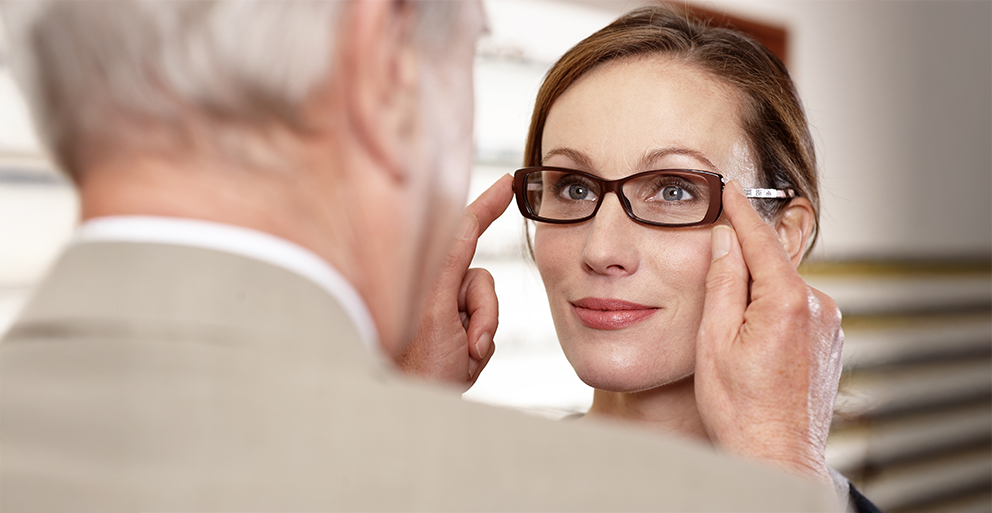
You can prevent glasses from slipping by fixing the fit, adding grip at the nose pads, and keeping frames clean and adjusted. When frames slide, the cause usually comes from size, skin oil, loose screws, or worn nose pads. Licensed opticians point to these factors because they change friction and balance, which makes glasses move when you talk or sweat.
This guide explains why glasses keep sliding and how to stop it. You'll find common reasons glasses slip, quick fixes you can try at home, anti-slip accessories like silicone pads and ear hooks, and long-term options from an optician. You'll also see how to choose glasses that fit securely and how cleaning and maintenance help keep them in place.
Slipping glasses frustrate you because small design details matter. Common causes include:
Poor fit: If the bridge sits too wide or the temple arms are too straight, grip drops and weight shifts forward.
Skin oil and sweat: These lower friction on nose pads, so frames slide during daily movement.
Loose screws and worn pads: These change alignment, breaking balance and comfort.
Common Reasons For Glasses Slip
Glasses slip when the frame doesn't match your face, or normal wear changes how the parts sit on your skin.
Loose hinges or crooked temples: Hinges hold the temples at a set angle with small screws and metal joints. When screws loosen or temples bend, the arms don't grip behind your ears. This reduces friction and lets gravity pull the frames forward.
Incorrect bridge width or nose pad spacing: The bridge sets how the frame rests on your nose. If the bridge sits too wide or the pads spread too far apart, the frame lacks contact points. This means the glasses slide down, even when you're still.
Oily skin and warm weather: Skin produces more oil and sweat in heat. Oil lowers surface friction between your skin and the frame material. The glasses move more easily with small head motions.
Heavy lenses or materials: Thick prescription lenses and metal frames add weight at the front. This shifts the center of mass forward. You get extra downward force on the nose, which increases slipping during daily use.
Quick Fixes You Can Do At Home
You can stop glasses from slipping with small, careful adjustments. These fixes focus on fit points that control grip, balance, and weight on your face.
Tighten Screws With A Small Screwdriver
Loose screws let the frame spread, so grip behind your ears drops. Most glasses use M1.2 to M1.4 screws, which fit a standard eyeglass screwdriver. Tighten the hinge screws until the arms stop wobbling. Don't overdo it—stripped threads won't hold.
What to check first:
Hinges: Loose hinges cause the arms to open too wide.
Nose bridge screws: Some frames use screws to hold nose pad arms in place.
If you keep the frame width stable, the arms apply even pressure. Glasses stay put when you move.
Adjust Nose Pads Gently For Balance
Nose pads control how high and centered your glasses sit. Most pads use silicone or PVC, which bend with light pressure. Use clean fingers or a soft cloth. Move both pads at the same time to keep balance.
How changes affect fit:
Pads closer together: Raise the frame and slow sliding.
Pads farther apart: Lower the frame and reduce pressure.
Pads angled flatter: Spread weight across the nose.
When glasses rest on bone instead of skin oils, bone support reduces slip during sweating or long wear.
Slightly Bend Temple Arms (For Metal Frames Only)
Metal frames allow small bends because they use stainless steel or Monel alloys. These metals flex without cracking when adjusted slowly. Hold the frame front steady. Bend the temple arms inward near the ear curve by a few millimeters.
Important limits:
Metal only: Don't bend plastic arms cold.
Small changes: Big bends can twist alignment.
Inward tension increases contact behind your ears. That extra contact helps keep glasses stable during walking or head turns.
Use A Hairdryer To Warm And Reshape Plastic Frames (With Caution)
Plastic frames, often made from cellulose acetate, soften at about 60 to 70°C (140 to 160°F). A hairdryer on low heat can reach this range. Warm one area for 20 to 30 seconds, then gently reshape it. Let it cool before wearing.
Safety tips:
Low heat only: High heat can bubble or warp plastic.
Spot heating: Don't heat the whole frame.
Slow cooling: Cooling sets the new shape.
Heat lets the plastic relax so it holds a new fit. You get better grip without cracking the frame.
Anti-Slip Accessories That Help
Anti-slip accessories add friction or support at key contact points so your glasses stay in place during daily use.
Silicone nose pads and temple grips: Silicone pads attach to the bridge or arms and increase friction. Silicone has a naturally tacky surface, so glasses resist sliding when your skin gets oily or warm. Many pads use medical-grade silicone and measure 1 to 2 mm thick, adding grip without changing your view. Sometimes the easiest fix is also the most overlooked one: replacing the nose pads. Many people spend time adjusting their frames when the existing pads have simply worn smooth over time. If you're searching for the best anti slip nose pads for glasses, soft silicone versions are often the most practical choice. They offer more grip than standard plastic pads and tend to stay comfortable even during all-day wear.
Optical wax or friction stickers: Optical wax creates a thin friction layer where frames touch your skin. The wax fills tiny gaps between the frame and your nose, reducing movement during normal head motion. Friction stickers work in a similar way and stick to plastic frames, which often lack adjustable nose pads.
Ear hooks for active wearers: Ear hooks slide onto the temple ends and curve behind your ears. This shifts some of the glasses’ weight from your nose to your ears, limiting forward slip. You get better stability when you walk, bend, or exercise, even if the frames fit loosely.
Long-Term And Professional Solutions
Long-term solutions focus on fixing fit issues at the source so your glasses stay in place during daily use.
Professional adjustment: An optician measures your face and adjusts the frame width, temple angle, and nose pad position. These parts control where weight sits, so precise changes reduce forward slide.
Nose pad and hardware replacement: Silicone or PVC nose pads lose grip as they harden or smooth out. Replacing worn pads and loose screws restores friction and balance.
Adjustable or custom bridges: Frames with adjustable bridges or custom-fit designs match your nose width and slope. The bridge carries most of the frame’s weight, so a closer match spreads pressure evenly and reduces slipping.
New frame evaluation: Some frames slip because their size or shape doesn't match your face. An optician may suggest a smaller lens width, shorter temples, or lighter materials like acetate or titanium.
How To Choose Glasses That Fit Securely?
Choosing glasses that stay in place means matching frame design to how your face supports them. A secure fit comes from materials, adjustability, and correct sizing working together.
Lightweight materials (titanium, TR90, acetate): These materials reduce overall frame weight. Lighter frames place less pressure on your nose and ears, so they slide less during daily movement. Your glasses stay steady when you walk, bend, or look down.
Adjustable nose pads and flexible temples: Adjustable nose pads change the contact angle and spacing on your nose. Closer, even contact increases friction and balance, so the frames grip your nose instead of resting loosely. Flexible temples also bend to match your head width, helping the arms hold position behind your ears.
Proper frame width matching your face shape: Frame width should align with your face so the lenses sit centered over your eyes. When frames are too wide, gravity pulls them forward. When too narrow, pressure forces them to shift. Getting the width right keeps weight evenly distributed across your face.
Here's a quick fit check for main areas:
Bridge: Should sit flat on nose to prevent forward sliding.
Temples: Should touch ears without gaps to prevent side movement.
Width: Should have no pinching or gaps to prevent uneven pressure.
Maintenance And Cleaning Tips
Regular care reduces slipping because dirt, oil, and loose parts change how glasses sit on your face.
Daily cleaning: Wash lenses, nose pads, and temple tips with mild soap and warm water. Oil builds up on these parts and lowers friction. Glasses grip your skin instead of sliding when clean.
Skin prep: Clean your nose and avoid lotion or sunscreen where glasses rest. These products leave residue that makes frames move easily.
Dry surfaces: Dry glasses with a clean microfiber cloth. Water left on pads acts like a lubricant, which increases sliding.
Check the frame hardware often to catch small issues before they cause movement.
Screw inspection: Look at hinge screws once a week and tighten them with a small eyeglass screwdriver. Loose hinges let the temples spread, reducing side pressure that keeps frames in place.
Nose pad condition: Inspect nose pads for wear or hardening. Old pads lose their shape and grip, so replacing them restores proper contact.
Store and handle your glasses in ways that protect their shape.
Proper storage: Keep glasses in a hard case when not in use. This prevents bending, which changes alignment and leads to slipping.
Careful handling: Use both hands when putting glasses on or off. This keeps the frame level and helps it hold its adjusted fit.
Comfort And Stability Go Together
Keeping your glasses from slipping really comes down to fit, adjustment, and care. Each part supports the others, so when you pay attention to all three, your glasses just stay put better:
- Fit: You need frames that match your face width and nose bridge size. A bridge that rests flat spreads weight evenly across your nose, which helps reduce those annoying pressure points that make frames slide forward.
- Adjustment: Adjust nose pads and temple arms so they follow your face shape. If you angle the nose pads inward, they make more contact with your skin, and that extra friction means you spend less time pushing your glasses back up.
- Materials: Frames with silicone nose pads grab onto your skin better. Silicone resists sliding, even when your face gets oily or warm, so the pads hold on when you need them most.
Small shifts happen over time from daily use, so it’s worth checking your glasses regularly.
- Maintenance: Clean nose pads and frames with mild soap and water. Clean surfaces keep friction high, which means your glasses stay put longer between tweaks.
- Professional help: An optician can realign frames using heat and special tools. This brings back the original fit, helping your glasses sit level and stay secure when you’re out and about.
FAQs
What are effective DIY methods to keep glasses from sliding down the nose?
Home fixes can add friction or change how your frames sit, so they stay in place when you move around. Try wrapping a small rubber band around each temple near your ears. The rubber adds thickness and friction behind your ears, slowing down any sliding. Stick a little medical tape on the bridge of your nose. The texture grips better than smooth plastic, making your frames less likely to slip. Or swipe on a thin layer of beeswax or a product like Nerdwax to the nose bridge. That bit of wax gives your glasses a grippier surface, so they don’t budge as much.
Can adjusting the fit of plastic glasses frames prevent them from slipping?
Yep, you can tweak plastic frames at home to help them fit your head better. Run warm tap water over the temples for about half a minute. The heat softens the plastic, letting you bend the arms inward a bit so they hug your head. Curve the ends of the temples downward. This shifts more weight behind your ears, which helps stop your glasses from sliding when you look down. After warming the bridge, gently pinch it inward. Making the bridge a little narrower increases contact with your nose and helps keep things stable.
Are there any products designed to stop glasses from sliding?
Absolutely, there are some affordable accessories that add grip or change the fit without needing tools. Stick-on silicone nose pads go right on the bridge. Silicone has more friction than plastic, so your frames don’t slide around as much. Soft silicone temple tip sleeves slide over the ends of the temples. These add grip behind your ears, which is pretty handy when you’re walking or bending over. Grip waxes like Nerdwax use beeswax and coconut oil. These make the nose bridge tacky, so smooth frames are less likely to slip.
How can I prevent my glasses from falling off when I look down?
Shift support from your nose to your ears, so gravity can’t pull your glasses forward as easily. Bend the temples inward so they press gently against your head. This pressure helps counteract the downward pull when you tilt your head. Clip-on ear hooks curve around your ears and create a physical stop. They make it much harder for your frames to slide forward. Check if your frames are too wide. When frames extend past your temples, they tend to slide. A narrower frame hugs your head better and stays balanced.
What can I do to keep my glasses in place when perspiring?
Sweat makes things slippery, so you want materials that still grip when your skin is wet. Use silicone nose pads or sleeves. Silicone keeps its grip even when it’s damp, unlike smooth acetate frames. Wash your face and wipe down your frames with mild soap. Oil and sweat build up and make slipping worse, so clean skin and frames really help. Try nose pads with a textured or honeycomb surface. These designs channel away moisture, which helps your glasses stay stable when you’re sweating.
How can I make my glasses fit tighter without professional adjustments?
You can actually tweak the fit at home by changing where your glasses put pressure and how they sit on your face. One method is to warm up the temples, then gently bend them inward. That little adjustment helps the frames hug your head better, so they stay put even when you're moving around. Another trick is to add some thickness to the temples. Try slipping on heat-shrink tubing or silicone sleeves. The extra grip behind your ears makes a big difference, and you'll probably notice less slipping. If you want a quick fix, you can stick small foam or silicone pads at the bridge of your glasses. Spreading out the contact area like this makes the glasses feel lighter and more stable, which is just more comfortable overall.